


-

Add: HeBei ShengShi HongBang Cellulose Technology CO.,LTD.
-

Email
13180486930@163.com -

CONTACT US
+86 13180486930
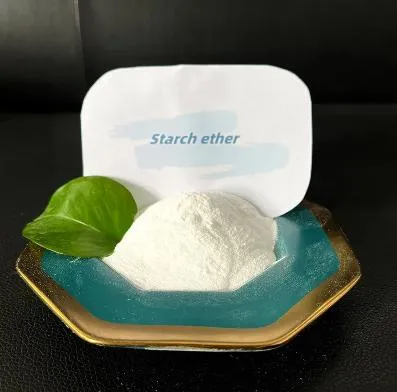
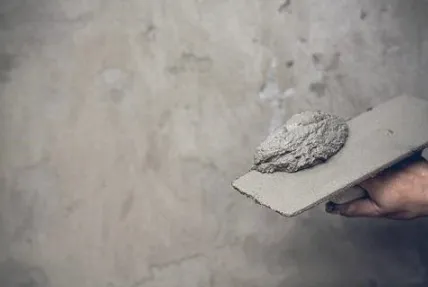

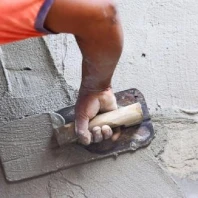


Advancements in Starch Ether Technology: Innovation in Material Science Starch ether , a refined white powder derived from natural plant sources, undergoes a sophisticated process of modification characterized by substantial etherification reactions, followed by a technique known as spray drying. At HeBei ShengShi HongBang, we've pioneered advanced manufacturing techniques to produce high-purity starch ether compounds with exceptional consistency and performance characteristics. Our starch ether solutions meet rigorous international standards across multiple industries. "Modern construction chemistry relies heavily on specialty additives like starch ether to achieve required performance parameters. The controlled modification of starch molecules significantly improves water retention, workability, and application properties in cementitious systems." - Journal of Construction Chemistry Explore Our Starch Ether Solutions Technical Parameters of Starch Ether Comprehensive Technical Specifications Parameter Standard Range Test Method Significance Viscosity (2% solution) 100-10,000 mPa·s Brookfield LVF Determines thickening efficiency pH Value 5.5-7.5 DIN EN ISO 787-9 Chemical compatibility indicator Moisture Content ≤ 8% Karl Fischer Storage stability & shelf life Degree of Substitution (DS) 0.02-0.10 Titration Method Functional group quantification Ash Content ≤ 1% DIN EN ISO 3451 Purity measurement Granulation (200 mesh) ≥ 95% Sieve Analysis Solubility and dispersion Bulk Density 450-550 g/l ASTM D1895 Dosage and handling Industry Applications of Starch Ether Construction Materials Starch ether serves as a multifunctional additive in tile adhesives, cement renders, and self-leveling compounds. Our specialized products enhance water retention, prolong open time, and improve sag resistance. Pharmaceutical Excipients In tablet formulations, starch ether functions as a superior binder-disintegrant combination. Medical-grade etherified starch enhances dissolution profiles while maintaining excellent compression characteristics. Food Processing Food-grade modified starch acts as a thickener, stabilizer, and texture modifier. Our specialized products are certified for applications in sauces, dressings, and frozen food preparations. Paper Manufacturing As a coating binder and surface sizing agent, starch ether improves paper strength, printability, and surface characteristics while reducing dusting during converting operations. Textile Processing In textile printing, our specialized starch ether serves as efficient thickeners that provide excellent color yield, sharpness of print, and easy washability. Oil Field Applications High-performance drilling fluid additives based on starch ether offer excellent fluid loss control at elevated temperatures while maintaining environmental compatibility. Starch Ether Advantages ? Sustainable Origin Derived from annually renewable starch resources, our products support sustainable material cycles. Life cycle assessments confirm the ecological advantages of starch-based chemicals versus petroleum alternatives. ? Water Retention Our patented starch ether chemistry achieves up to 30% higher water retention efficiency in construction materials compared to conventional cellulose ethers, improving hydration control in cementitious systems. ? Compatibility Enhancement Through specialized modification processes, we've developed starch ether products that demonstrate improved compatibility with modern additives including PCE superplasticizers and redispersible polymer powders. ⚖️ Cost Efficiency At equivalent performance levels, starch ether additives deliver significant formulation cost advantages while often improving application characteristics in multiple materials systems. Technical FAQs About Starch Ether What is the mechanism behind starch ether's water retention properties? Starch ether molecules undergo hydration that causes molecular chain expansion, creating a network that physically traps water through hydrogen bonding. The substitution pattern determines hydrophilic character and solution behavior. Studies show properly modified starches can hold water molecules even under mechanical pressure and low humidity conditions. How do starch ethers compare to cellulose ethers in construction applications? While both modify rheology, starch-based alternatives offer superior economics at comparable technical performance. Our research indicates specific advantages including faster dissolution, enhanced electrolyte tolerance, and different molecular weight distributions that complement cellulose derivatives. Many formulators blend both polymer types to optimize cost-performance ratios. What are the critical manufacturing parameters for consistent starch ether quality? Three parameters dominate: 1) Etherification efficiency (reaction kinetics and DS control), 2) Granulation technology achieving uniform particle size distribution, and 3) Thermal history optimization during drying phases. At HeBei ShengShi HongBang, we utilize continuous production monitoring with AI-driven process control that maintains quality variance below 0.5% over production batches. Can starch ether be used in formulations requiring thermal stability? Through specific chemical modification pathways, we produce thermal-stable grades that maintain functionality up to 90°C for extended periods. These specialty products are engineered through molecular structure optimization that reduces thermal degradation pathways. Third-party testing confirms retention of over 85% initial viscosity after 24 hours at 85°C. How is substitution degree (DS) measured, and what values are optimal? DS is quantified through both wet chemical titration and NMR techniques. For construction applications, optimal values range between 0.04-0.07 DS. Higher substitution increases solubility but may negatively impact thickening efficiency. We offer specialized testing services to match DS profiles to specific application requirements. What packaging options are available to prevent moisture degradation? We utilize triple-layer laminated sacks with polyethylene barriers offering less than 2g/m²/24h moisture transmission rates. Bulk silo systems are also available for high-volume users, featuring inert gas blanketing and humidity-controlled discharge systems to maintain optimal powder flow characteristics while preventing moisture absorption. How does starch ether impact environmental compliance profiles? Starch-based derivatives inherently offer environmental advantages including biodegradability (>95% OECD 301B), renewable resource origin, and low ecotoxicity. Our lifecycle assessments show carbon footprints reduced by 35-50% versus petrochemically derived alternatives. All products meet REACH and TSCA regulatory requirements. Industry Recognitions & References International Journal of Material Science: "Advanced Modification Techniques for Improved Starch Functionality" https://doi.org/10.1016/j.ijms.2022.102456 Construction Chemistry Review: "Novel Applications of Starch Ethers in Modern Building Materials" https://www.conchem-review.org/articles/ccr.11945 European Polymer Journal: "Structural Analysis of Industrially Modified Starch Derivatives" https://doi.org/10.1016/j.eurpolymj.2021.110812 Food Technology Magazine: "Functional Properties of Modified Food Starches in Processed Foods" https://www.ift.org/news-and-publications/food-technology-magazine Industrial Chemistry Research: "Continuous Production Processes for Starch Ether Derivatives" https://pubs.acs.org/doi/10.1021/acs.iecr.1c01234
- 40000tons

Production
- 20+years

Experience
- 5000+㎡

Acreage

-

Is HPMC Soluble in Water? Hydroxypropyl Methylcellulose (HPMC) is a widely used cellulose ether that has garnered significant attention in various industries, particularly in pharmaceuticals, food, and construction materials. One of the pivotal characteristics of HPMC is its solubility in water, which plays a crucial role in its applications. Understanding whether HPMC is soluble in water leads us to explore its properties, uses, and the implications of its solubility. HPMC is a modified form of cellulose, which is derived from wood pulp or plant fibers. The modification involves the substitution of hydroxyl groups on the cellulose backbone with hydroxypropyl and methoxy groups. This alteration not only enhances its solubility in water but also provides HPMC with unique properties such as thickening, binding, and film-forming capabilities. Due to these characteristics, HPMC has become a preferred choice in numerous formulations. Is HPMC Soluble in Water? The solubility of HPMC is crucial in the pharmaceutical industry, where it is often used as a controlled-release agent in tablets and capsules. It ensures that the active pharmaceutical ingredients are released in a controlled manner, enhancing the efficacy of the medication. Additionally, HPMC is utilized as a binder and film-forming agent, contributing to the stability and integrity of the dosage forms. The ability of HPMC to form gels upon dissolution in water is particularly beneficial in creating sustained-release formulations, which improve patient compliance and therapeutic outcomes. is hpmc soluble in water In the food industry, HPMC serves as a food additive and is commonly found in products such as sauces, salad dressings, and baked goods. Its water solubility allows it to act as a thickener and stabilizer, enhancing the texture and mouthfeel of food products. Because it is non-toxic and has a good safety profile, HPMC is deemed suitable for various food applications. The construction industry also benefits from HPMC, where it is used as an additive in cement, mortar, and plaster. When mixed with water, it helps improve the workability and adhesion properties of these materials. The solubility of HPMC in water allows it to disperse evenly within the mixture, contributing to a smoother application and better overall performance. Despite its numerous advantages, it is important to respect the recommended usage levels and conditions when incorporating HPMC in various formulations. The concentration can significantly impact the viscosity and performance, and excessive use may lead to undesired effects, such as excessive thickening or changes in texture. In conclusion, HPMC is indeed soluble in water, which is a key characteristic that makes it invaluable across multiple industries. Its solubility underpins its functionality in pharmaceuticals, foods, and construction materials, allowing for enhanced performance and consumer satisfaction. As research continues and more applications for HPMC are discovered, its role as a versatile and effective component in various formulations is likely to grow, driven by its unique properties and wide-ranging benefits. Understanding the solubility and behavior of HPMC in water not only helps in optimizing its applications but also highlights its role in modern product development and innovation.
-
Innovative material engineering is transforming industrial textiles, and strategic blending of fibre natural and synthetic unlocks unprecedented durability, cost efficiency, and functionality. We specialize in bulk solutions that harness this synergy, offering premium polypropylene fiber for sale alongside other key synthetics to empower manufacturers seeking scalable, high-performance materials for demanding applications. The Science of Blending: Natural and A crylic Fib er s for Enhanced Performance Blending fibre natural and synthetic creates composite materials that transcend the limitations of single-fibre textiles. Natural fibres—like cotton, hemp, or jute—deliver breathability, biodegradability, and tactile comfort, while synthetics such as acrylic fiber or polypropylene fiber for sale contribute resilience, weather resistance, and structural integrity. For instance, integrating polypropylene into jute blends drastically reduces moisture absorption, a critical advantage for agricultural packaging exposed to humid environments. Our wholesale programmes facilitate tailored fibre ratios for diverse industrial sectors, from automotive interiors requiring flame retardancy to geotextiles demanding long-term soil stabilization. The synergy elevates tensile strength while preserving environmental goals, allowing bulk buyers to engineer region-specific solutions—like tropical-grade blends resisting fungal growth or arctic-compatible composites maintaining flexibility in sub-zero temperatures. Technical consultations accompany bulk orders, ensuring optimal performance alignment with project specifications. Leveraging Five Types of Synthetic Fibres in Hybrid Textiles Mastering the core five types of synthetic fibres —polyester, nylon, acrylic fiber , polypropylene, and elastane—is essential for designing advanced hybrid textiles. Each synthetic brings irreplaceable properties: acrylic fiber excels in thermal insulation for outdoor gear blends, while polypropylene fiber for sale offers chemical inertness ideal for medical textiles or filtration systems. Synthetic jute , engineered from polymers, replicates natural jute’s texture but enhances consistency and mildew resistance, making it invaluable for export packaging or reinforced composites. When blended with natural fibres, these synthetics mitigate weaknesses—like adding polypropylene to cotton to reduce shrinkage in industrial workwear. We supply all five synthetics in bulk quantities, supported by comprehensive technical documentation detailing attributes like thermal stability and abrasion thresholds. Real-world applications demonstrate extended product lifespans in abrasive environments, such as conveyor belts in mining or protective tarpaulins for construction. Synthetic Jute: Revolutionizing Eco-Conscious Material Blends Synthetic jute is redefining sustainable material solutions for wholesale buyers. Sourced from polypropylene fiber for sale or recycled polymers, it mirrors natural jute’s eco-appeal while eliminating variability in weight and moisture sensitivity—crucial for high-volume manufacturing. Blending synthetic jute with fibre natural and synthetic components (e.g., bamboo-polypropylene hybrids) yields tear-resistant fabrics for geotextiles or biodegradable planters. Our vertically integrated production guarantees rapid bulk order fulfillment, with options for custom enhancements like ultraviolet stabilization for outdoor furniture or antimicrobial treatments for healthcare textiles. Brands leveraging our synthetic jute report significant cost efficiencies versus pure natural fibres, without sacrificing circular-economy credentials, as these blends simplify recycling streams and reduce agricultural dependency. Strategic Sourcing: Bulk Polypropylene Acrylic Fiber and Beyond Optimizing blend performance hinges on strategic wholesale sourcing of core materials. Polypropylene fiber for sale remains indispensable for sectors prioritizing hydrophobicity and recyclability—think marine ropes, nonwoven medical fabrics, or automotive liners. We streamline bulk procurement of PP fiber alongside the full spectrum of five types of synthetic fibres , including niche-grade acrylic fiber for acoustic panels and engineered synthetic jute for circular packaging. Our global logistics network ensures reliable, large-volume deliveries to manufacturing hubs, complemented by blend-validation testing. Partnerships with us unlock R&D advantages, such as substituting cotton with synthetic jute in upholstery to minimize water-intensive processes, aligning with evolving sustainability mandates. FAQs about Fibre Natural and Synthetic How does blending natural fibres with polypropylene fiber for sale improve cost efficiency? Blending reduces reliance on price-volatile natural fibres while leveraging the economical production of polypropylene fiber for sale , yielding substantial cost reductions in bulk manufacturing without compromising functional performance. Which of the five types of synthetic fibres works best with natural jute substitutes? Synthetic jute harmonizes exceptionally with nylon for elasticity-driven applications or acrylic fiber for thermal insulation, creating versatile composites for furniture padding or technical textiles. Can acrylic fiber enhance sustainability in blended textiles? Absolutely. Acrylic fiber ’s durability extends product longevity, reducing waste. Our recycled acrylic variants further diminish environmental footprints, supporting greener bulk production cycles. What bulk quantities apply to synthetic jute orders? We accommodate scalable volumes, with competitive pricing tiers activated at threshold quantities. Custom synthetic jute blends require minimum order volumes for feasibility. How do I test blends using fibre natural and synthetic for my industry? We provide tailored sample kits for real-world performance trials, alongside certified lab analyses assessing parameters like tensile endurance and environmental degradation
advantages
-

200000 Viscosities
Excellent product
We can produce pure products up to 200,000 viscosities
-

40000 tons
High yield
We don’t stop production all year round, and the annual output can reach 40,000 tons
-

24 hours
Quality service
We provide 24-hours online reception service, welcome to consult at any time
———— Inquiry Form
Schedule A services
-
 pp_carbon_fiber
Oct . 25, 2025
Powder rubber, an increasingly popular material in various industries, offers a myriad of applicatio -
 chimie_du_bois_et_cellulosique
Oct . 25, 2025
The Cost of Polypropylene Fiber An Overview Polypropylene fiber, derived from the polymerization of -
 what_is_wood_pulp_cellulose
Oct . 25, 2025
Hydroxypropyl Methylcellulose (HPMC) E6 stands out as an unparalleled option in the field of industr


